Insurance agencies often grapple with seasonal workload spikes, such as policy renewals and open enrollments. These peaks strain resources and complicate existing workflows, leaving operations managers searching for efficient solutions.
To address these challenges, many agencies consider implementing Insurance Agency Management Systems (AMS) or Customer Relationship Management (CRM) tools, which promise to streamline operations and ease the chaos.
However, operations managers frequently struggle to justify the associated costs, especially during peak seasons. This article evaluates the practicality of adopting the best insurance CRM systems and how they can help handle these seasonal demands.
Defining the Problem – Seasonal Workload Spikes
Seasonal workload spikes refer to predictable, recurring periods during the year when insurance agencies face a sharp increase in operational demands. These spikes often overwhelm existing resources, create operational bottlenecks, increase chances of error, and pose challenges in maintaining efficiency, accuracy, and customer satisfaction.
Key drivers of seasonal workload spikes in the insurance industry include:
1. Policy Renewals
- Many insurance policies are renewed annually, often at specific times of the year, such as the end of the calendar year or policy anniversaries.
- In those times, agencies must process a higher volume of renewals, update client information, adjust policy terms, and issue updated documentation.
2. Open Enrollments
- Health insurance providers typically face an influx of activity during open enrollment periods, such as at the end of the year for employer-provided plans or government-mandated enrollment windows.
- During this time, agencies must deal with increased inquiries, policy adjustments, and new applications.
3. Claims Processing Surges
- External events, such as natural disasters (hurricanes, floods, etc.), can lead to an unexpected spike in claims. For instance:
- Home insurance claims often surge during hurricane season.
- Auto insurance claims rise during winter months due to weather-related accidents.
- These events demand swift processing to maintain customer satisfaction and compliance.
4. Tax-Related Periods
- Businesses often reevaluate or purchase insurance policies (e.g., liability or workers’ compensation) during the year-end for tax planning purposes.
- This period increases the administrative burden of processing policy adjustments and paperwork.
5. Audits and Compliance Reporting
- Regulatory compliance deadlines, such as annual audits or government reporting, often coincide with peak workloads. Agencies must gather, review, and submit large volumes of documentation within tighter deadlines.
Impact of Seasonal Workload Spikes
- Operational Bottlenecks: Staff may struggle to keep up with increased demand, leading to delays in renewals, claims, and client support.
- Increased Risk of Errors: Under pressure, manual processes are prone to mistakes, impacting compliance and customer satisfaction.
- Customer Frustration: Slower service during peak times can erode trust and result in client attrition.
- Resource Overextension: Agencies may need to temporarily overstaff or rely on overtime, increasing operational costs.
Why Addressing Seasonal Spikes is Critical
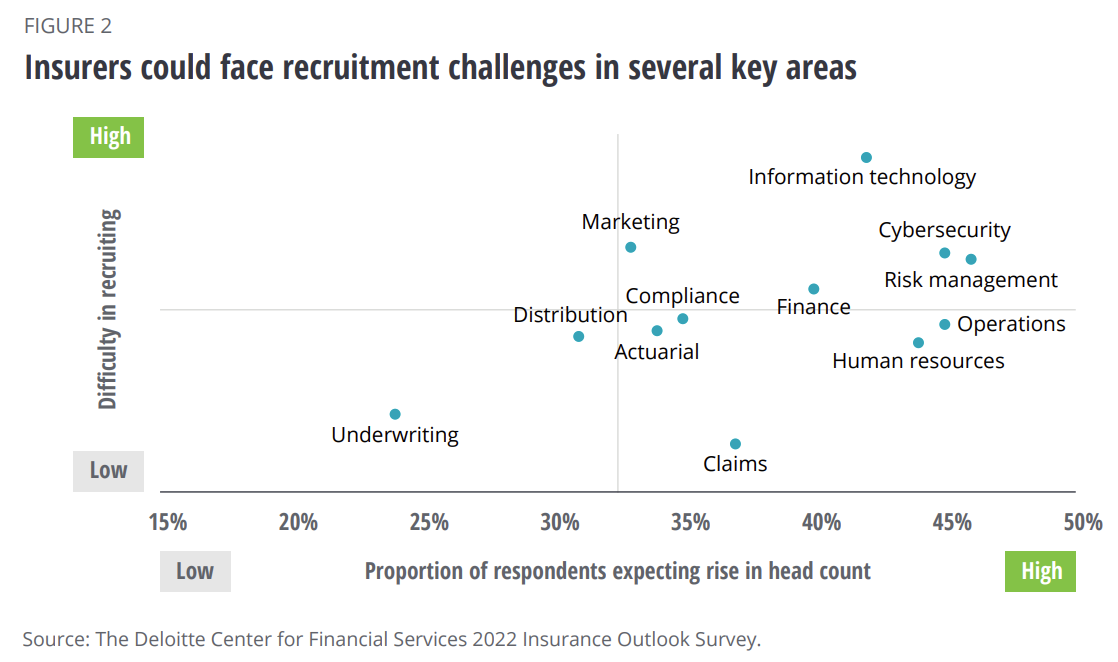
Source: Deloitte
A 2022 Deloitte insurance industry report highlighted that insurance workloads during peak periods can increase by 30-50%. This shows the need for scalable solutions to manage such fluctuations effectively.
Effective management of seasonal workload spikes ensures smoother operations, better client retention, and improved profitability. Agencies require flexible and scalable solutions like the best insurance CRM and insurance agency management systems (AMS), outsourcing, and strategic staff scaling to handle these fluctuating demands without compromising service quality.
Understanding Insurance Agency Management Systems
Insurance Agency Management Systems (AMS) are specialized software platforms designed to streamline and centralize an agency’s operations. Some of the prominent insurance agency management systems include Applied Epic, EZLynx, HawkSoft AMS, Backoffice Pro, etc.
These systems are essential for handling complex insurance workflows, enabling agencies to operate more efficiently, especially during periods of high demand, such as policy renewals or open enrollments.
Key Features
The best insurance CRM and AMS platforms typically provide a wide range of tools and functionalities tailored to meet the specific needs of insurance agencies. Key features include:
- Policy Administration
- Tracks policy details, renewals, and cancellations.
- Automate reminders for upcoming renewals or policy changes.
- Client Data Management
- Maintains secure, centralized storage of customer information for easy access.
- Ensures data accuracy and quick retrieval during high-demand periods.
- Task Automation
- Handles repetitive tasks like sending invoices, claim updates, and customer notifications.
- Frees up staff time to focus on complex, customer-related activities.
- Compliance Support
- Includes built-in tools to ensure adherence to regulatory requirements.
- Reduces the risk of non-compliance penalties during audits or reviews.
Features Tailored for Seasonal Spikes
During workload surges, AMS systems offer specific capabilities to alleviate strain:
- Automated Workflows
- Processes high volumes of renewals and claims without manual intervention.
- Reduces errors and accelerates turnaround times.
- Document Handling
- Digitally organizes and retrieves necessary documents quickly, preventing bottlenecks.
- Cloud Scalability
- Many modern AMS platforms are cloud-based, allowing agencies to scale their capacity up or down during peak periods without compromising system performance.
Benefits of Using AMS

Source: Freepik
Insurance Agency Management Systems provide a comprehensive solution for managing the administrative and operational complexities of the insurance business with benefits such as:
1. Improved Data Accuracy
- Minimized Errors: AMS reduces manual input errors, ensuring more reliable records and consistent customer data.
- Centralized Information: A single source of truth helps agents access accurate and up-to-date information quickly, improving decision-making.
2. Streamlined Workflows
- Task Automation: Automates repetitive tasks like policy renewals and claims processing, freeing agents to focus on more complex work.
- Faster Processing: Reduces turnaround times, making operations more efficient, especially during peak seasons.
- Customizable Workflows: Tailored workflows ensure tasks are completed efficiently and in the correct sequence.
3. Enhanced Compliance and Security
- Regulatory Adherence: Helps agencies stay audit-ready with automated compliance checks and reporting.
- Data Security: Features like encryption and multi-factor authentication protect sensitive customer data from breaches.
- Audit Trails: Maintains detailed logs of all relevant activities for transparency and accountability.
4. Customer Satisfaction
- Faster Response: Quick access to customer data improves response times, crucial during high-demand periods.
- Personalized Service: Custom segmentation enables agents to offer tailored services and proactive communication.
- Consistent Quality: Automation ensures reliable, error-free service, enhancing client experiences even during busy times.
The True Costs of Implementing an Agency Management System
Though AMS’ benefits make them invaluable, they come with several costs that can make their implementation challenging. These can be broken down upfront, ongoing, and opportunity costs related to the implementation process.
1. Upfront vs. Ongoing Costs
- Licensing Fees:
- SaaS/Cloud-based: Typically, these systems are subscription-based, with monthly or annual fees based on the number of users or features. Ongoing costs can add up over time, making SaaS systems more predictable but also more expensive in the long run.
- On-Premise: Requires a larger upfront investment for the software, but there may be fewer recurring fees, offering potential long-term savings. However, maintenance costs, server management, and IT staff can be additional expenses.
- Customization & Integration: Upfront costs include configuring the AMS to match agency workflows and integrating it with existing systems, while ongoing costs may arise for future modifications.
- Training & Onboarding: Initial expenses cover staff training during implementation, with ongoing costs for training new employees or adapting to system updates.
- Maintenance & Upgrades: Ongoing costs include regular maintenance, bug fixes, and updates, while upfront costs may include setting up a support framework or service agreements.
2. Opportunity Costs
- Downtime During Transition: During the transition phase, employees may need to shift their focus from primary duties, such as client service, to learning and integrating the new system. This dual responsibility can lead to downtime, reduced productivity, and potential disruptions to client services, especially during busy periods.
| Cost Components | Estimated One-Time Costs | Estimated Recurring Costs |
| Licensing Fees | $5,000 – $50,000 (On-Premises Setup) | $50 – $200 per user/month |
| Customization and Integration | $2,000 – $20,000 | $1,000 – $5,000 annually (updates) |
| Training and Onboarding | $1,000 – $10,000 (varies as per Team Size) | $500 – $2,000 (mostly refresher training) |
| Maintenance and Upgrades | $2,000 – $10,000 | $1,000 – $5,000 annually |
| Server/Infrastructure Costs (for On-Premises) Systems | $10,000 – $30,000 (mostly hardware setup) | $1,000 – $3,000 annually (upkeep) |
| Downtime during Transition | Variable | None |
Hiring In-House Staff vs. Using an Agency Management System (AMS)
To manage seasonal workload spikes, you need to decide between hiring in-house staff or investing in an AMS. When chossing, it’s important to consider the specific needs of the agency, depending on the tasks and the organization’s structure, and the pros and cons of each approach.
When Does In-House Hiring Make Sense?
- Specialized Roles
Hiring in-house is ideal for tasks requiring a high degree of expertise, such as complex underwriting, claims investigations, or compliance oversight. These roles often demand personalized attention and in-depth knowledge of the agency’s unique policies and procedures.
- Direct Oversight
In-house staff provide the agency with greater control over daily operations, enabling managers to directly supervise tasks, set priorities, and make immediate adjustments based on the agency’s needs. This level of oversight can be critical for sensitive tasks or high-value clients.
- Company Culture
Building an in-house team ensures alignment with the organization’s culture, values, and long-term goals. Staff members develop a deeper understanding of the agency’s mission, which can enhance collaboration, morale, and the overall client experience.
Downsides of In-House Staff
- Higher Expenses
Hiring and maintaining in-house staff can be expensive, particularly when factoring in salaries, benefits, training, and recruitment costs. This is especially challenging for smaller agencies.
- Retention Challenges
Insurance agencies often face high turnover rates, which can lead to frequent recruitment and training cycles. Retaining skilled staff can be difficult, particularly during off-peak seasons when workloads are lighter, as there wouldn’t be much work for the employees.
- Workload Fluctuations
Seasonal spikes in work demand make managing in-house teams challenging. Agencies may have too few staff during busy periods or too many during slower times, leading to inefficiencies and increased operational costs.
While in-house hiring offers advantages like specialized expertise and control, it comes with significant costs and challenges, especially for agencies experiencing fluctuating workloads. By comparison, an AMS provides scalability and automation to handle seasonal peaks more efficiently, often at a lower long-term cost.
| Cost Components | Salary Ranges | Overhead Costs | Training Costs | Cyclical Fluctuations |
| Salaries (IT/Support Staff) | $60,000–$100,000/year | 20%–30% of salary (benefits, taxes) | $5,000–$10,000/employee | Higher costs during peak seasons, e.g., renewals |
| Project Managers | $80,000–$120,000/year | 20%–30% of salary | $5,000–$10,000/employee | Slightly higher during complex phases |
| Training & Certification | N/A | N/A | $2,000–$5,000/employee | Costs may vary based on updates or new features |
| Temporary Staff (if needed) | $15–$50/hour | N/A | N/A | Demand may increase during transitions |
Agencies need to evaluate their operational priorities, budget, and workload patterns to determine which approach—or combination of both—best suits their needs.
The Outsourcing Alternative
Outsourcing back-office services is a popular option for insurance agencies looking to handle seasonal workload spikes without the long-term costs and complexities of in-house staff or implementing advanced systems. Here’s how it works, its benefits, and why it may be the right choice for agencies.
How an Outsourcing Back-Office Services Works
Outsourcing partners, such as Backoffice Pro, specialize in handling a variety of time-intensive back-office tasks, allowing agencies to focus on their core business. Some of the key services offered include:
- Policy Administration: Efficiently managing policy issuance, renewals, and endorsements, reducing delays and ensuring accuracy.
- Claims Processing: Managing claims from intake to resolution, ensuring they are processed quickly and efficiently to maintain customer satisfaction.
- Underwriting Support: Assisting with risk assessment, data verification, and policy issuance, helping streamline underwriting workflows.
- Customer Support: Offering dedicated customer service teams to handle client inquiries, claims updates, and issue resolution during peak periods.
By delegating these functions to experienced outsourcing providers, agencies can ensure critical tasks are completed efficiently, even during high-demand seasons.
Scalability and Cost-Effectiveness
- Flexible Engagement Models
Outsourcing partners often provide options like pay-as-you-go or subscription-based pricing, allowing agencies to scale services up or down based on demand. This flexibility eliminates the need for significant investments in staff training, hiring, or new systems.
- Expertise on Demand
Agencies gain access to trained professionals who are already equipped with the skills and tools needed to manage back-office functions, without the commitment of long-term contracts or overhead costs.
Benefits of Outsourcing
- Operational Efficiency
Streamlined processes ensure faster turnaround times for key tasks like claims processing and policy renewals, reducing bottlenecks and improving customer service during busy periods.
- Cost Savings
Outsourcing eliminates expenses associated with in-house staff, such as salaries, benefits, and training. Additionally, there’s no need for system maintenance or upgrades, reducing ongoing costs.
- Enhanced Compliance
Outsourcing providers bring industry expertise to help agencies meet regulatory requirements, ensuring compliance and minimizing risks during audits.
Finding The Right Fit
While Insurance Agency Management Systems offer robust features, their costs, and implementation complexities may not be practical for agencies primarily dealing with seasonal workload spikes. Outsourcing provides a more flexible, cost-effective solution, offering immediate access to expertise, streamlined processes, and the ability to scale services as needed. Partner up with a reliable insurance services outsourcing provider like Backoffice Pro to efficiently manage your seasonal workload spikes and enhance operational efficiency.